

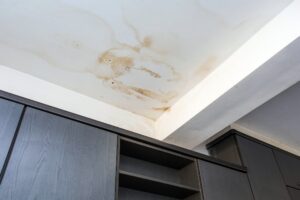
 Rarely does moisture damage in rental properties commence with a flood or a burst conduit. Rather, it progresses gradually as a result of everyday humidity, small leaks, and poor airflow. This constant exposure results in severe damage like mold growth, wood rot, and deteriorating indoor air quality. It is imperative for rental property owners to comprehend the destructive nature of everyday moisture in order to protect their property’s value and avoid costly repairs.
Understanding Moisture Damage: The Hidden Threat to Rental Property Value
The majority of individuals frequently associate property damage with dramatic events such as fires, floods, or cyclones. However, there are other things that can cause just as much damage without all the drama. Moisture damage is one of these. It is subtle, ongoing, and easy to overlook, specifically in rental properties where the early signs are often missed.
Moisture is released into the air by daily activities such as showering, cooking, doing laundry, and even inhaling. The property can be silently weakened and may eventually develop significant damage without proper ventilation and maintenance, as the moisture can settle into walls, flooring, and structural materials.
And that is the most harmful aspect of it. Moisture damage is rarely contained to a limited area. Initially, a small amount of condensation or a sluggish leak may lead to widespread issues that impact both the property’s habitability and its value.
Common Causes of Moisture Damage in Rental Properties
Small, daily activities or slowly developing plumbing issues are among the most common sources of moisture damage in a rental property. For example:
- High Indoor Humidity: Indoor moisture is produced by residents on a daily basis. Elevated humidity levels are a result of poor ventilation in kitchens, inadequate exhaust blowers in bathrooms, and the trapping of steam in laundry areas.
- Small Leaks: Dripping pipelines, slow roof leaks, and inadequately sealed windows can cause leaks that persist for months without being detected. These minor leaks frequently conceal themselves within walls, ceilings, or cabinets, causing damage that is evident prior to the appearance of visible indicators.
- Poor Ventilation and Airflow: The absence of adequate airflow allows moisture to become trapped. Bathrooms, cellars, attics, and closets are primarily vulnerable. One of the most prevalent causes of long-term moisture damage in rentals is poor ventilation.
- Seasonal Weather and Climate: Rain, snow, and humid conditions all increase moisture exposure. Without proactive maintenance and inspections, properties located in moist or extreme climates are at a greater risk.
Long-Term Effects of Moisture Damage on Rental Properties
Even relatively small amounts of moisture can result in severe problems if left unchecked. These consist of:
- Mold and Mildew Growth: Moist environments create ideal conditions for mold. Mold issues can result in resident complaints and potential legal concerns, in addition to the cost of remediation.
- Poor Air Quality: The development and deterioration of health issues over time can be facilitated by humid indoor air. This can lead to increased liability as a consequence of the property’s declining habitability.
- Wood Rot and Structural Weakening: Moisture gradually degrades wood framing, moldings, and subfloors. Structural damage frequently remains undetected until remedies are unavoidable.
- Cosmetic damage: Peeling paint, warped floors, and deteriorating finishes are often the first visible signs of deeper moisture problems. Tenant satisfaction and rental appeal may be influenced by these concerns.
It is crucial to note that moisture damage accumulates gradually, which results in remedies that are frequently more costly and extensive by the time the issue is readily noticeable. This makes proactive property inspections and prevention a top priority for rental property owners.
Proven Moisture Prevention Strategies for Landlords
Providentially, prevention can be highly effective in avoiding moisture-related property damage. Routine property inspections are the foundation of the most effective prevention. Inspections are instrumental in stopping the spread of damage by identifying condensation patterns and evaluating ventilation systems.
Examples of landlord humidity prevention that are effective include:
- Guaranteeing proper ventilation in bathrooms and kitchens
- Immediately addressing leaks, no matter how small
- Conducting inspections of high-risk areas
- Maintaining exterior seals, windows, and roofing
These and other preventative steps are significantly less expensive than moisture-related repairs and can keep your residents healthy and comfortable in their houses.
Protect Your Rental Property Investment from Moisture Damage
Although moisture may be silent, its effects on rental properties can be disastrous. Moisture rental damage is one of the most costly hazards that landlords encounter, ranging from health concerns to structural damage. However, it is also one of the most preventable, thanks to proactive inspections and intelligent humidity prevention strategies.
Contact Real Property Management Trailhead today if you are apprehensive about hidden moisture issues in your rental property. Our proactive inspection and maintenance services help rental property owners in Weatherford find issues early, prevent moisture damage, and defend property values in the future. Contact us online or call 817-930-1160 to find out more.
This content is provided for general informational and educational purposes only and does not constitute financial, legal, tax, or investment advice. Readers should consult with licensed professionals regarding their specific circumstances.
We are pledged to the letter and spirit of U.S. policy for the achievement of equal housing opportunity throughout the Nation. See Equal Housing Opportunity Statement for more information.
